Our approach
A primary model centered on agency, inquiry, and expert guidance.
At Primary Colossal Academy, children are active participants in their learning. They are invited to think, question, choose, create, and reflect within a structure designed by skilled educators.
Laboratory
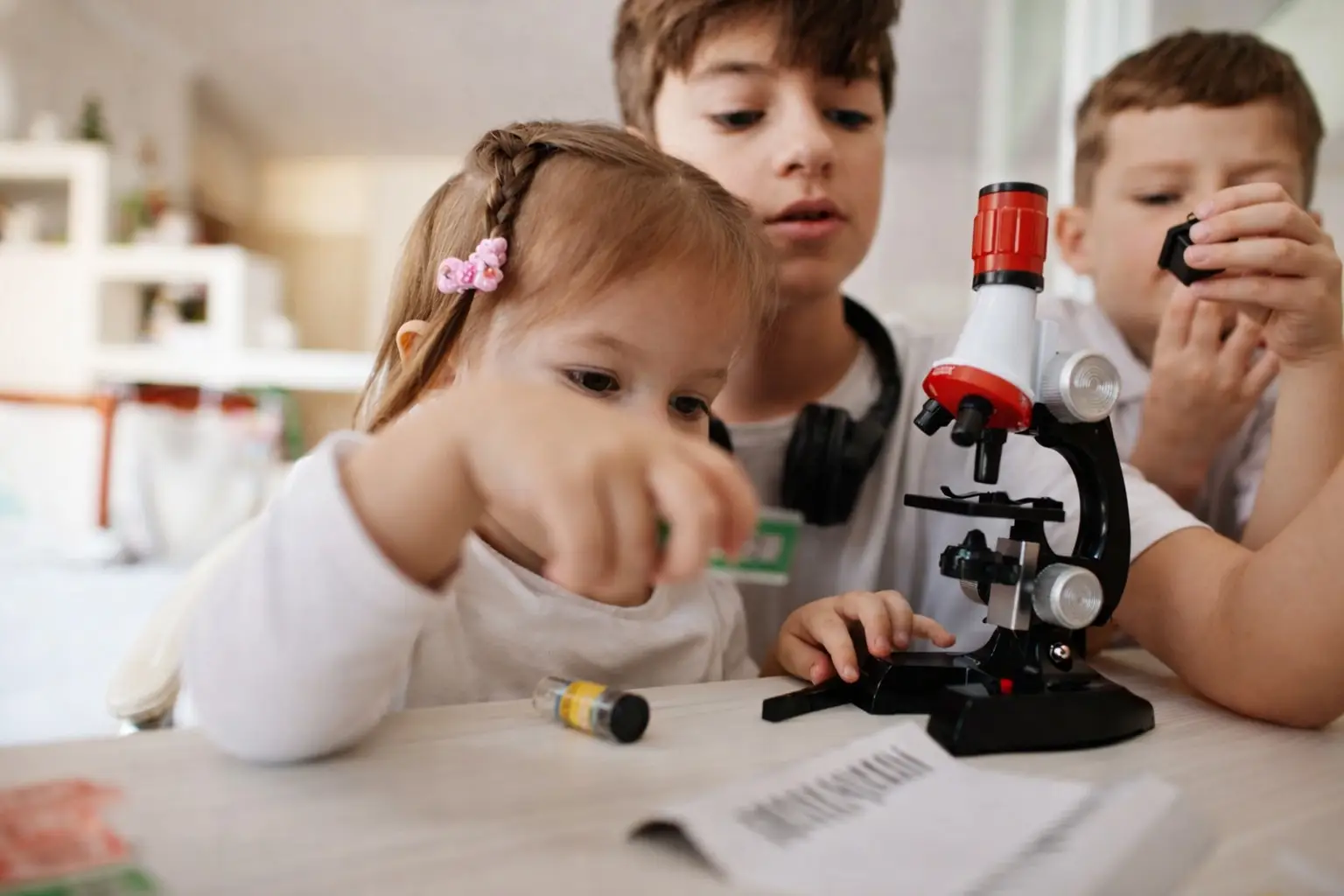
Our science lab is an AI-powered, hands-on environment where students engage in biology, chemistry, and physics using real tools. They work with microscopes and digital probes, lab glassware and safe reagents, and sensors, microcontrollers, and robotics kits to investigate living systems, chemical reactions, and forces, motion, and energy through interdisciplinary projects.
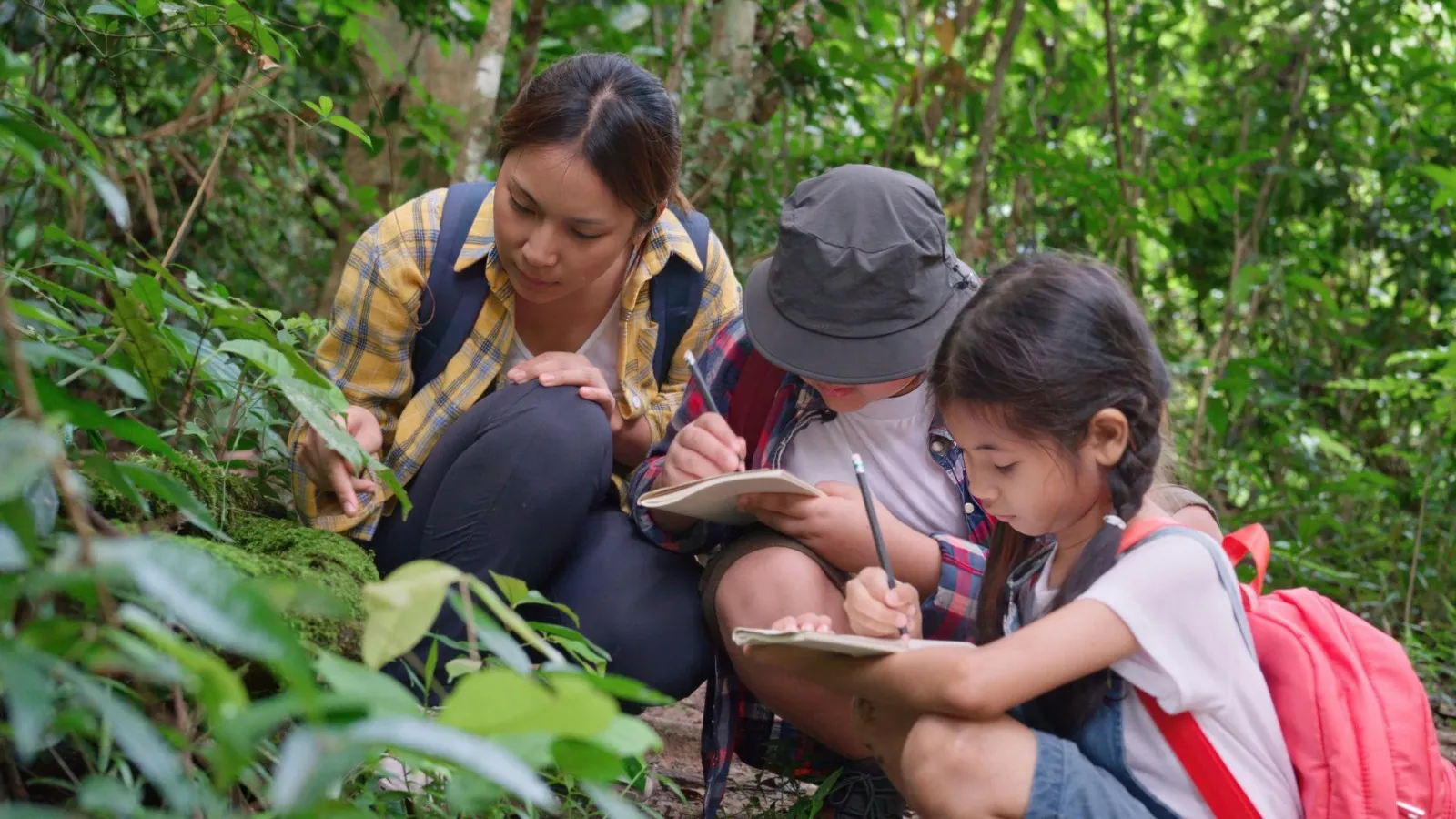
The kind of work we do is best seen through our projects. In an ocean clean-up study, students analyze water samples, test pollutants, and design and program filtration systems. In a project on sustainably feeding the world, they study ecosystems, soil, and energy systems while building automated solutions. This work extends into the atelier, where art becomes a tool for designing, prototyping, and communicating ideas.
A Reggio Emilia–Inspired Atelier and Arts Program
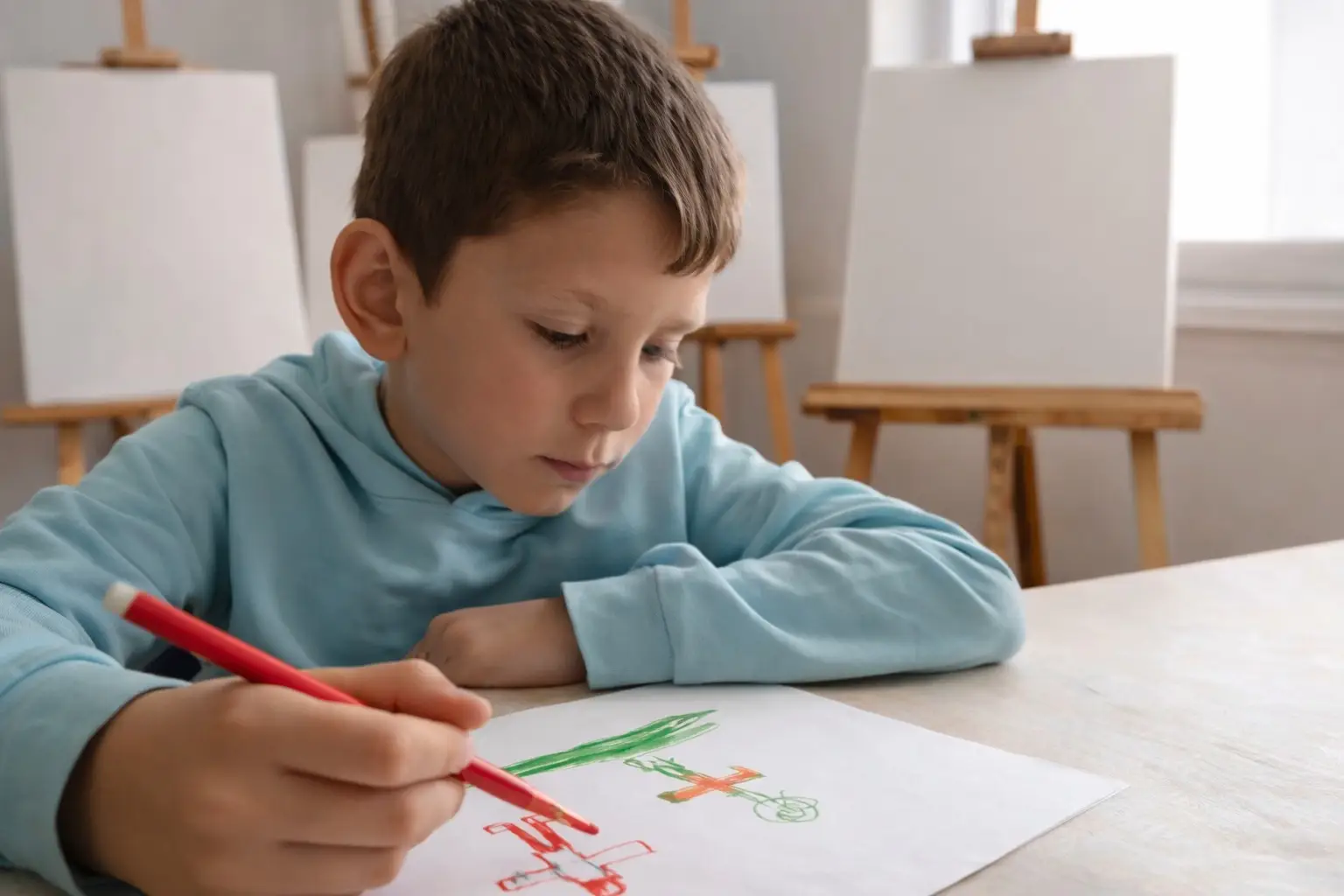
Our atelier is a studio for thinking, creating, and self-expression. Students work with high-quality materials in visual arts—including sculpture, painting, and drawing—developing technique, attention to detail, and the ability to express ideas, perspectives, and emotions with clarity. We view art as a fundamental language: a way for children to make sense of the world, communicate meaning, and develop confidence in their own voice.
This work is complemented by a strong performing arts program. Students participate in choir, learn instruments as part of a school band, and engage in music theater, combining voice, movement, and storytelling. Across all disciplines, the arts are treated as a serious practice—students create, rehearse, revise, and present work with intention, building both creative expression and disciplined craftsmanship.
Begin the conversation
Families often ask what makes this approach different.
The difference is that students are not passive recipients of instruction. They are guided into becoming thoughtful, capable participants in their own learning.